

Learn
About Dementia
Plain-language guide written for families, caregivers and those who have been diagnosed with Dementia.
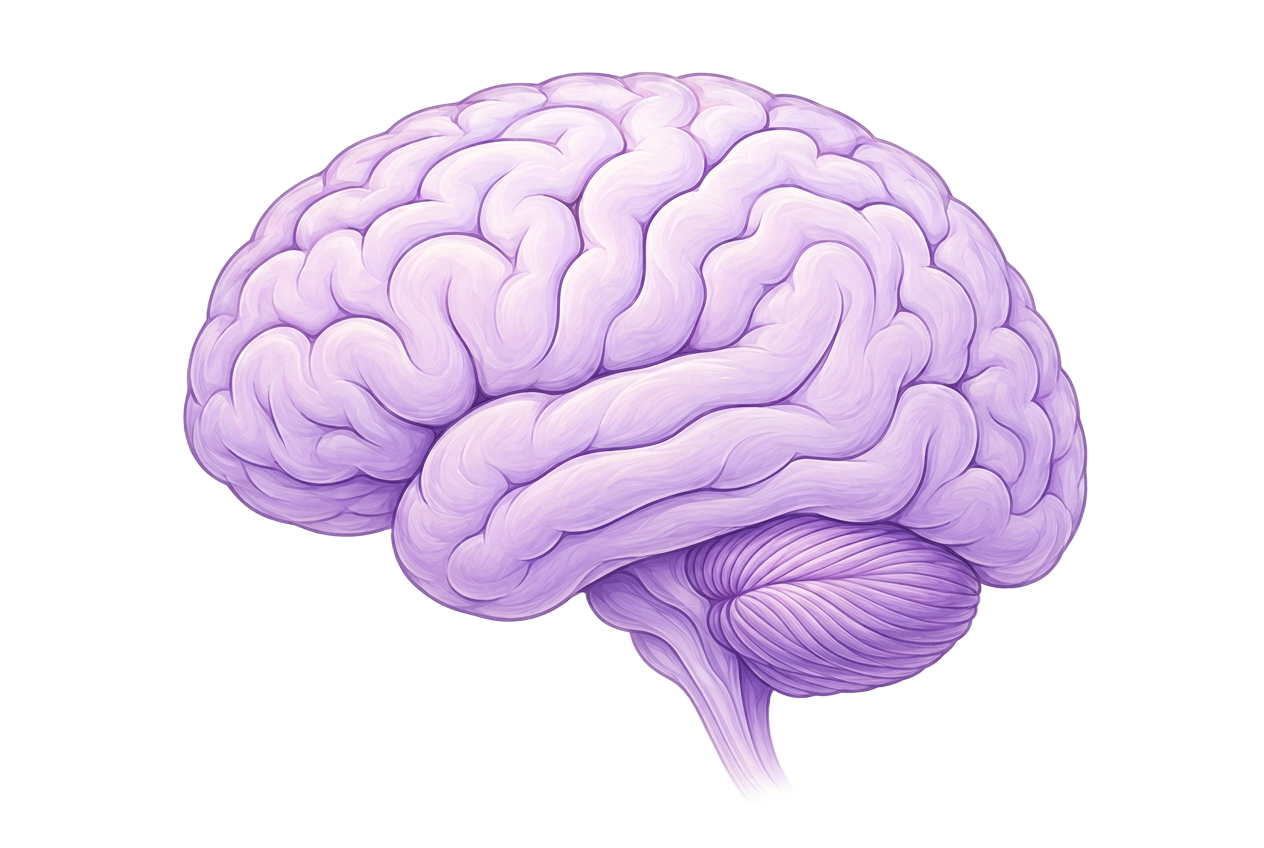
Dementia is not a disease. It is a term used to describe a collection of symptoms that affect memory, thinking, behaviour, communication, and the ability to carry out everyday activities. These symptoms are caused by a range of diseases and conditions that damage the brain.
The most common cause of dementia is Alzheimer's disease, which accounts for around 60-70% of all cases. Other well-known causes include vascular dementia (approximately 15-20% of cases), Lewy body dementia, frontotemporal dementia, and mixed dementia, where more than one type occurs together.
Around 55 million people worldwide are living with dementia, and nearly 10 million new cases are diagnosed each year. As people are living longer, these numbers are expected to increase significantly, making dementia one of the greatest health challenges of our ageing population. While dementia can affect younger people (early onset dementia), age is the biggest known risk factor, with most people developing dementia after the age of 65.
Dementia is now recognised as the leading cause of death in Australia, and it has also been the leading cause of death in the United Kingdom for several years, reflecting the ageing populations in both countries. As life expectancy continues to increase around the world, dementia is expected to become an even greater public health challenge.
Although there is currently no cure for dementia, much can be done to reduce risk and support brain health. Research suggests that regular physical activity, a healthy diet, good cardiovascular health, staying socially connected, lifelong learning, quality sleep, and avoiding smoking and excessive alcohol may help lower the risk of developing dementia or delay its onset. Early diagnosis and appropriate support can also make a significant difference to quality of life for both the person living with dementia and those who care for them.
While there is currently no cure, there is real reason for hope. Research is advancing rapidly, improving our understanding of dementia and leading to new treatments, earlier diagnosis, and better ways to support people living with the condition. Every year brings new discoveries that offer hope for the future.
No articles published yet — check back soon.